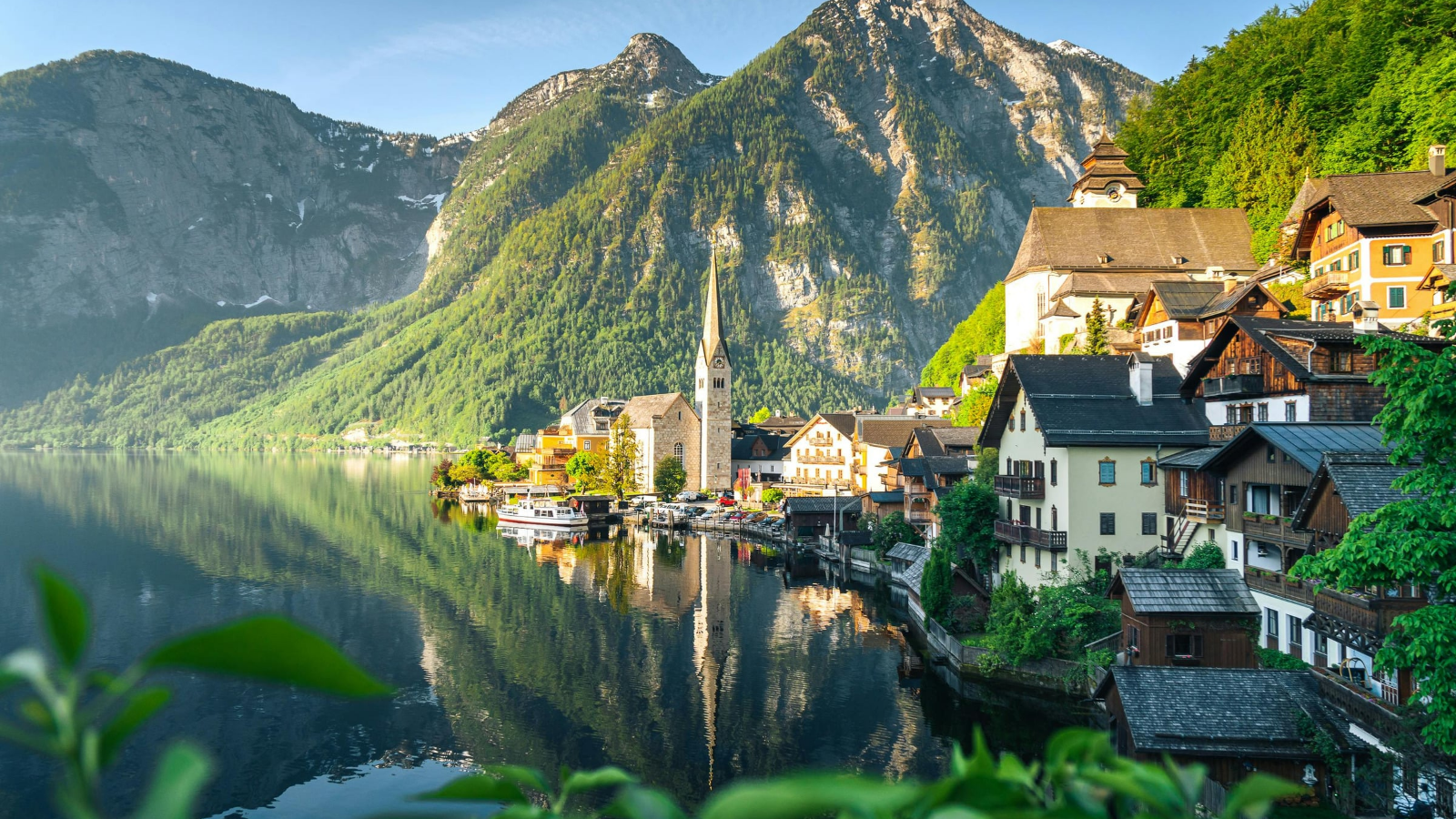
Trade routes of the Alps in the Bronze Age
Although the Alps sometimes appears in public imagination as barrier between Northern and Southern Europe, some important trading routes went through its slopes even during the Bronze Age.
Today salt is inexpensive and abundant, but during the Bronze Age (roughly 2200–800 BCE) it was one of the most valuable resources in Europe. Obvioisly, was far more than just a seasoning. Without refrigeration, preserving meat, fish, and dairy products was a constant challenge. Salt allowed communities to store food through winter, transport provisions over long distances, and support larger populations.
Salt was particularly important in regions where seasonal food shortages were common. Communities that controlled significant salt deposits possessed a valuable economic advantage. As demand grew, trade routes developed to move salt from production centers to settlements hundreds of kilometers away.
The Alps contained some of the richest and most accessible salt deposits in prehistoric Europe, making the mountain region a center of economic activity.
The most famous Bronze Age salt-producing region was Hallstatt, located in the Austrian Alps. Hidden within steep mountain valleys were vast deposits of rock salt formed millions of years earlier when ancient seas evaporated.
Archaeological evidence suggests that mining began in the Bronze Age and expanded dramatically over time. Miners carved tunnels deep into the mountainside, extracting blocks of salt with tools made from bronze, wood, and antler. The mines were remarkably sophisticated, requiring organized labor, engineering knowledge, and systems for transporting materials underground.
Nevertheless, moving salt through the Alps was a difficult undertaking. There were no paved roads, bridges were rare, and many routes were little more than mountain trails.
Yet people had been navigating Alpine valleys for thousands of years.
Traders followed natural corridors carved by rivers and glaciers. Valleys provided the safest routes through otherwise rugged terrain, while mountain passes allowed access between northern and southern Europe. Some of the same corridors later used by Roman engineers had already been known to Bronze Age traders.
Transport relied on human porters and pack animals. Horses, donkeys, and other beasts of burden carried loads of salt along steep and often dangerous paths. Seasonal weather heavily influenced travel. Snow could close high passes for months, forcing traders to time their journeys carefully.
Extreme challenges needed extreme solutions and revolutionary innovations, thus
Bronze Age trade operated through a chain of exchanges rather than direct journeys from producer to consumer.
A merchant might transport salt to a neighboring community, where it would be exchanged again and carried farther. Through countless transactions, Alpine salt reached settlements hundreds of kilometers from its source.
The same networks moved other valuable goods in the opposite direction. Copper, tin, amber, animal products, and luxury items circulated through the trading system. The Alps became a crossroads where northern and southern European economies met.
Owning and controlling such valuable resources contributed to the emergence of social hierarchies and regional centers of power.
Control of salt production generated significant wealth. Communities located near productive mines could support specialized labor, maintain long-distance trading relationships, and accumulate prestige goods from distant regions.
Archaeologists have discovered elaborate burials containing imported objects, fine metalwork, and luxury goods in areas connected to Alpine trade. Such finds suggest the existence of powerful local elites who controlled access to resources and trade routes.
On the other hand, the prosperity of the salt trade came at a price. Mining was physically demanding and often dangerous. Workers spent long hours underground in dark, confined spaces. They excavated tunnels using simple tools and transported heavy loads to the surface.
Yet the dry, salty conditions inside some Alpine mines preserved remarkable archaeological remains. Tools, clothing, wooden equipment, and even traces of food have survived for thousands of years. These discoveries provide an unusually detailed picture of Bronze Age labor and daily life.
(Thumbnail image: present day Hallstatt/Canva stock photo)